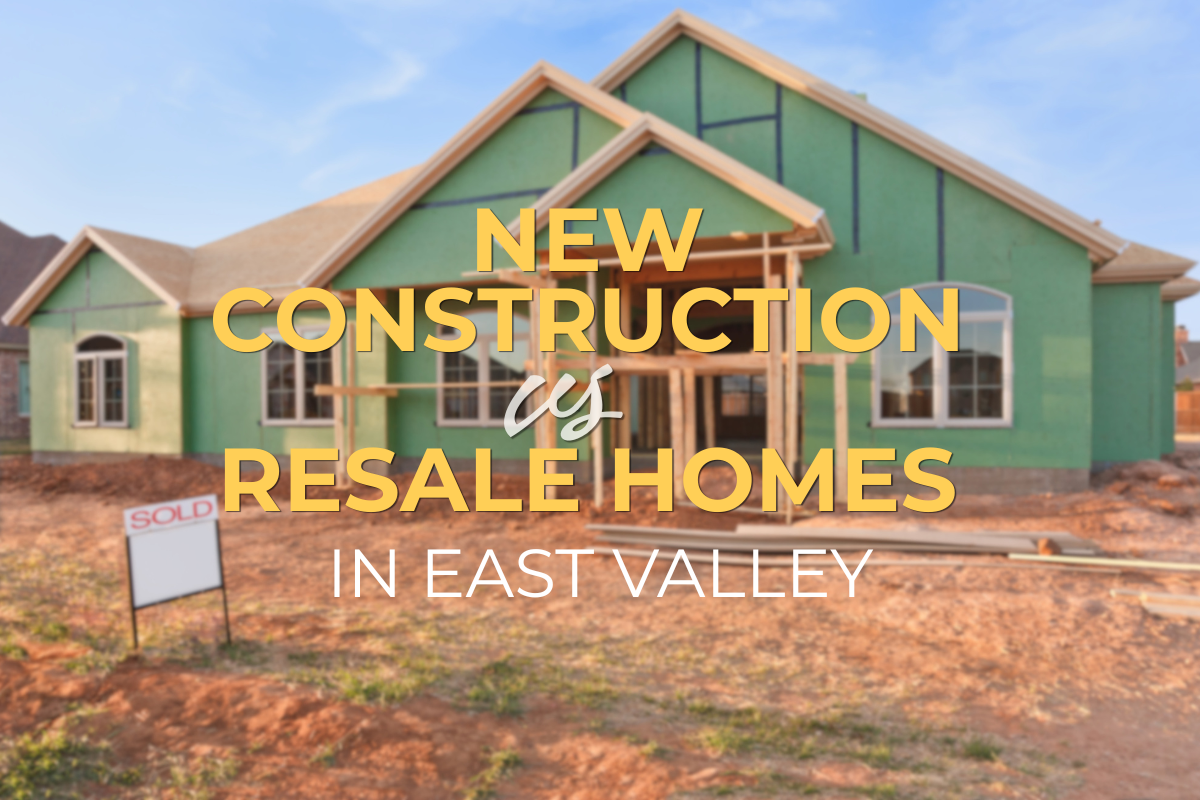
New Construction vs. Resale Homes in the East Valley: What's Better in Today's Tempe, Chandler, and Ahwatukee Market?

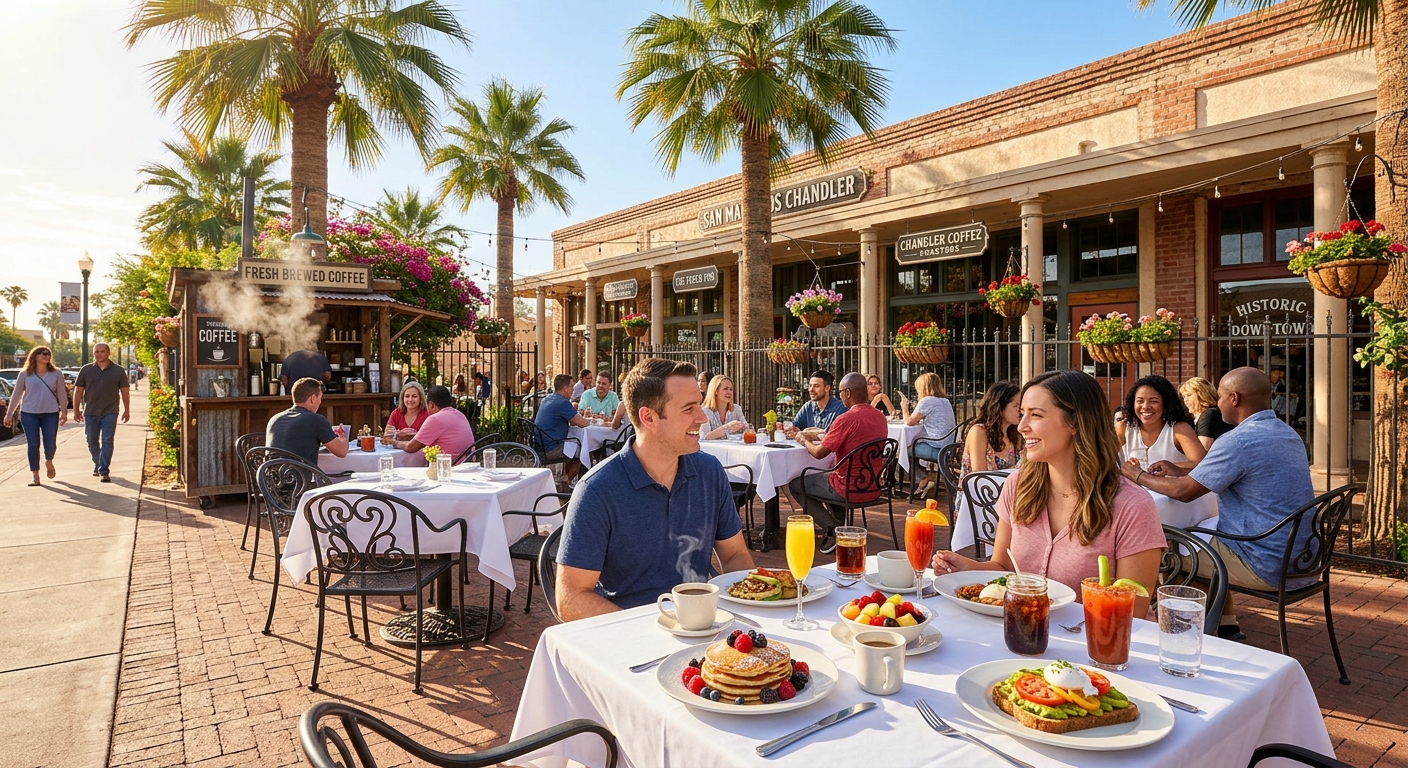
Tempe · Community Photo
The choice between new construction and resale in the East Valley looks fundamentally different in 2026 than it did even two years ago. Builders across the Phoenix metro have shifted from a position of seller-like confidence to one of genuine motivation to move inventory — and the incentives that have resulted are changing the financial math in ways that benefit buyers who know what to ask for. Whether the right answer is new or resale depends almost entirely on which community, which priorities, and which specific homes are actually on the table.
What Separates New and Resale in the East Valley
The East Valley's housing stock tells a story of rapid suburban development that has left different communities at very different points in their property lifecycle. Tempe's housing base is older than most of the broader metro, with the majority of homes predating 2000 — meaning many resale buyers are looking at structures with 25 to 35-year-old roofs, HVAC systems, and kitchens that may need updating. Ahwatukee similarly carries significant 1980s through early 2000s housing stock across its three major ZIP codes, with most homes now 20 to 30 years old and entering the stage where major systems begin requiring replacement. Chandler offers more variety — a mix of established neighborhoods from the 1980s and 1990s alongside newer communities to the east where production builders have been active more recently. New construction in Tempe proper is genuinely rare, as the city has little remaining developable land — Redfin's Tempe listings describe active new builds as "rare" and highlight their proximity to ASU and Mill Avenue as a premium feature.
The Builder Incentive Story: The Most Important Factor in 2026
Across the Phoenix metro including the East Valley and extending into Chandler, Gilbert, and Queen Creek, builders are offering incentives at a scale that has fundamentally shifted the new-versus-resale calculation for many buyers. Mortgage rate buydowns from standard 6%-plus rates down into the upper 4% to low 5% range are the most impactful current tool — reducing monthly payments by several hundred dollars on a comparable purchase price. Upgrade credits, closing cost coverage, and design allowances compound the savings further. The result, documented in market analysis published by Arizona-based real estate observers in 2026, is that a brand-new, never-lived-in home in an active builder community can sometimes carry a lower effective monthly cost than a ten-year-old resale home in the same ZIP code — once the rate buydown and incentive package are factored into the comparison. Buyers who evaluate only the purchase price without accounting for the full incentive package are making an incomplete comparison.
What Each Option Offers East Valley Buyers
New construction brings a warranty structure — typically one year on workmanship, two years on major systems, and ten years on structural elements — that eliminates the budget uncertainty of unknown deferred maintenance in a resale home. Modern layouts built for current lifestyles, energy-efficient construction that reduces utility costs in Arizona's intense climate, and integrated smart home technology are standard expectations in newer East Valley builder communities. Resale homes counter with mature neighborhoods, established trees, known property taxes with no new-development community fee surprises, and location access in communities like Ahwatukee and central Tempe where no new land exists. For buyers who want to live in the specific neighborhoods that define the East Valley's identity — rather than in newer suburban communities on Chandler's or Gilbert's outer edges — resale is often the only path.
Which Option Fits Different East Valley Buyers
Buyers with timeline flexibility who are open to outer Chandler or Gilbert locations should investigate builder incentive packages actively in 2026 — the financial case for new construction is stronger right now than it has been in years. Buyers who need to be in a specific school district attendance zone, within walking distance of Tempe Town Lake, or in an Ahwatukee neighborhood close to South Mountain should expect to focus on resale, where the location advantages are not replicable by any builder community. First-time buyers targeting Tempe's most accessible price points will generally find resale in western Tempe neighborhoods more budget-friendly than new construction alternatives. Move-up buyers with more flexibility on location and timeline should run a genuine comparison — with the full incentive package included in the new construction math — before defaulting to either option.
FAQs
Are new homes more expensive in the East Valley?
Not necessarily in 2026. Builder incentives including mortgage rate buydowns, upgrade credits, and closing cost assistance have closed much of the traditional new construction premium against comparable resale homes in active East Valley builder communities. Comparing purchase price alone without the full incentive package produces an incomplete picture of actual monthly costs.
Is it better to buy new or old in Tempe, Chandler, and Ahwatukee?
It depends on location priorities. For buyers who need to be in specific established neighborhoods — central Tempe, Ahwatukee near South Mountain, Chandler's established communities — resale is often the only realistic option. For buyers with location flexibility who are open to newer outer-ring communities, new construction with current incentive packages deserves serious comparison.
Explore available homes on East Valley Loop.
Not sure which option fits you? Reach out to Will Carter for an honest comparison.
Sources: zillow.com/tempe-new-homes, gilbertsunnews.com, noradarealestate.com